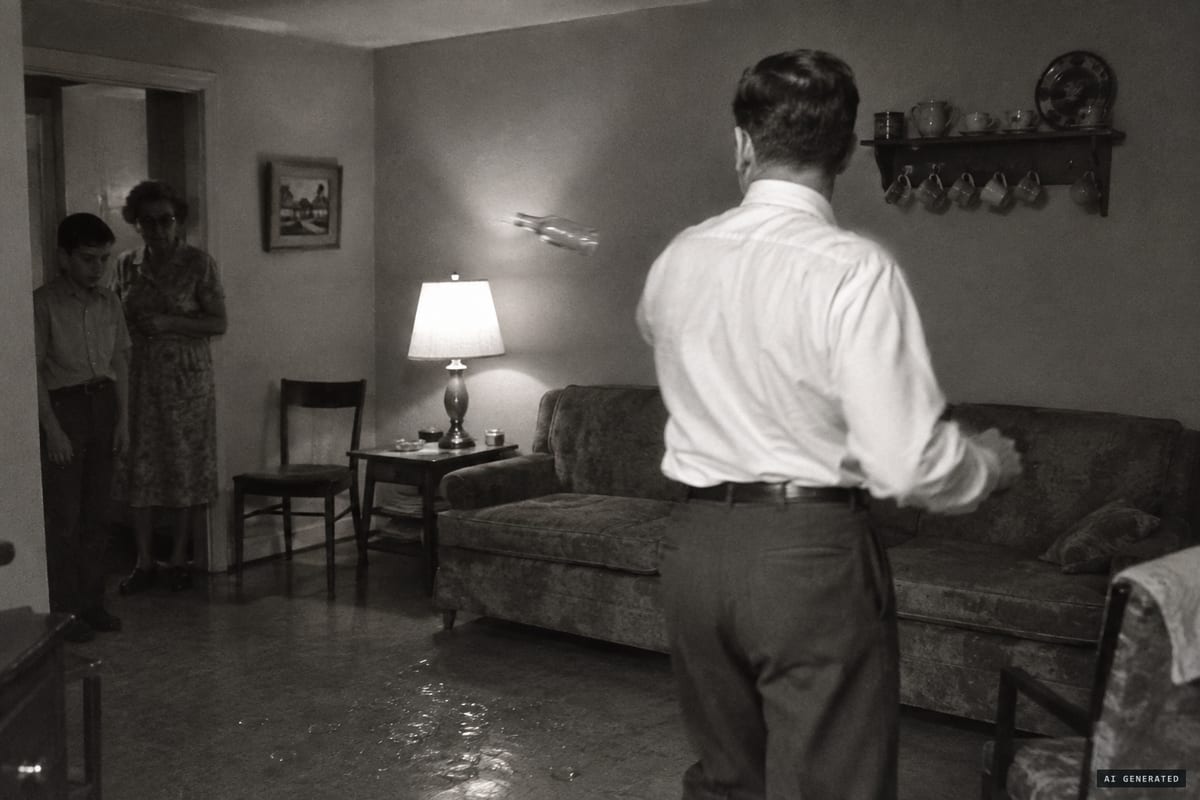
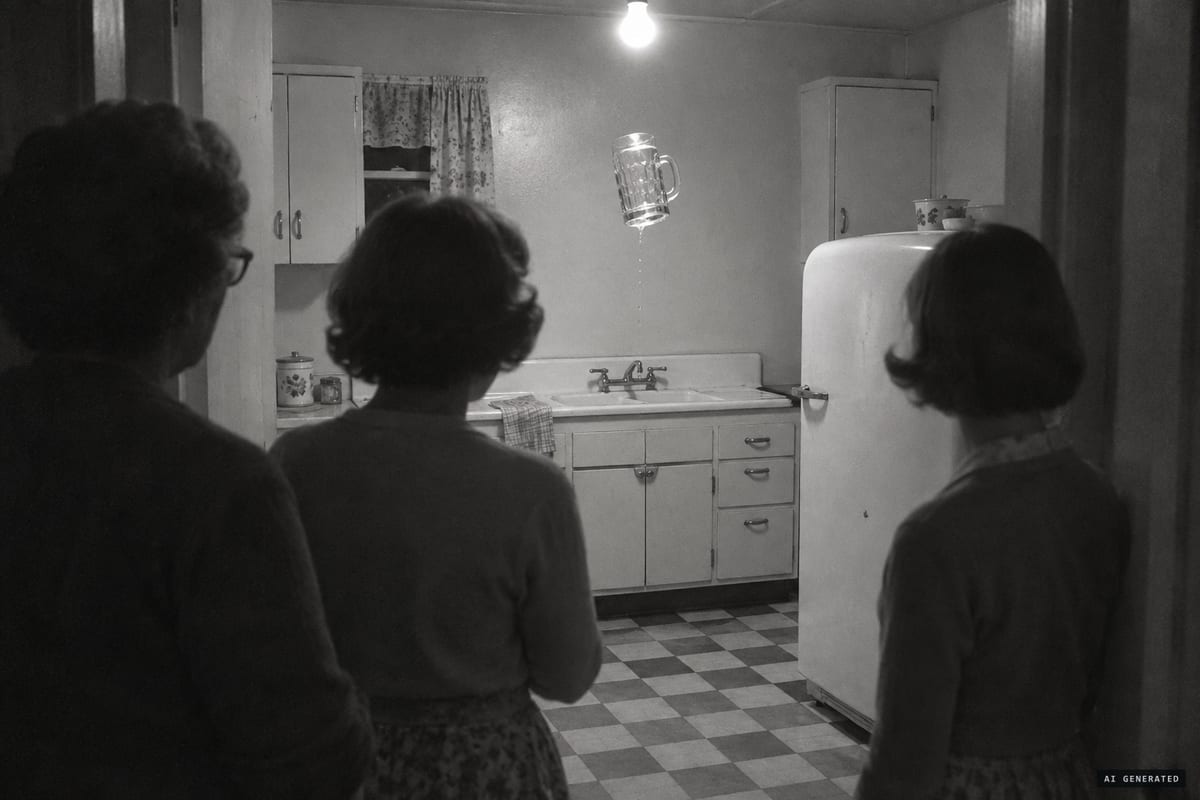
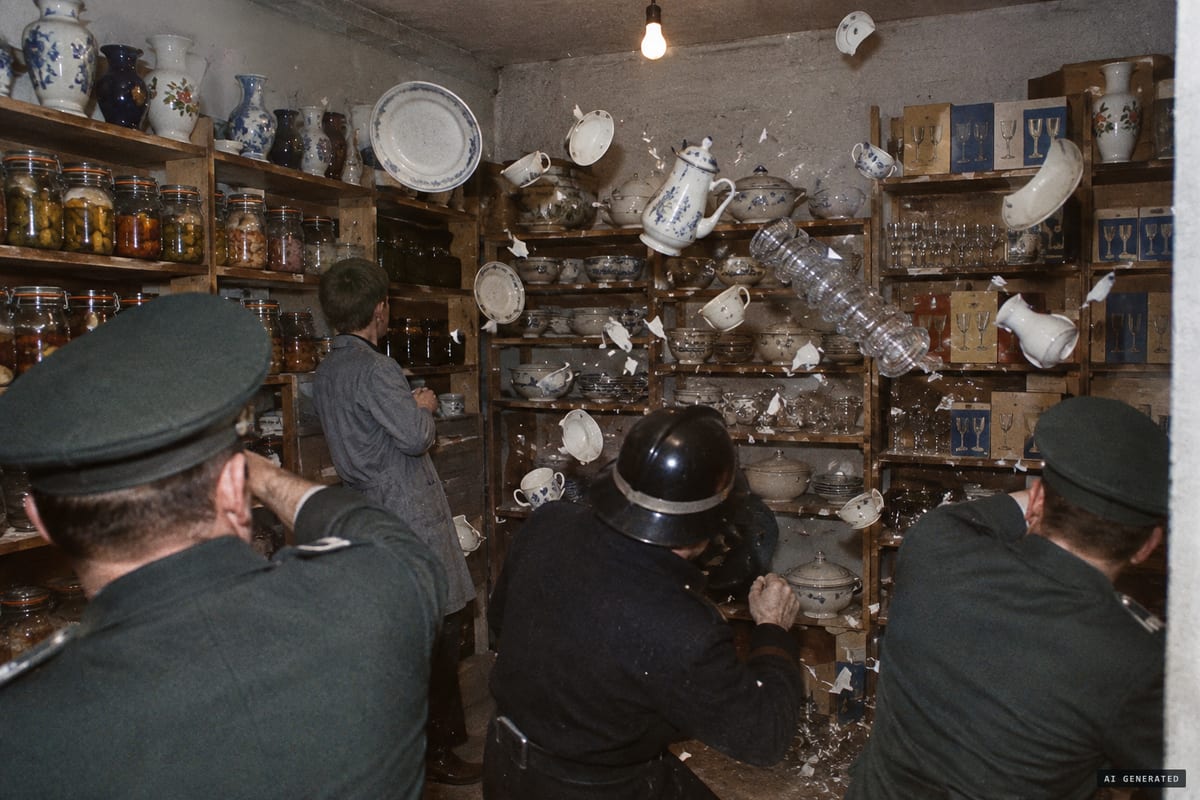
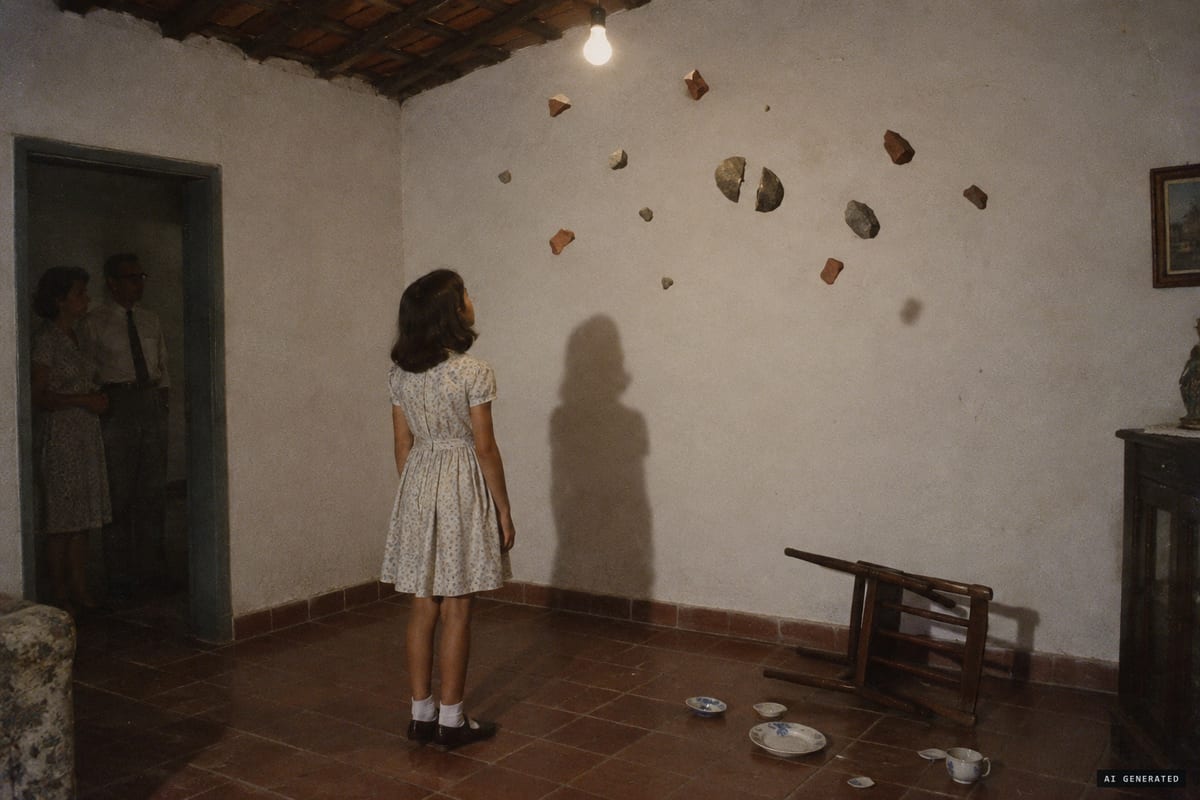
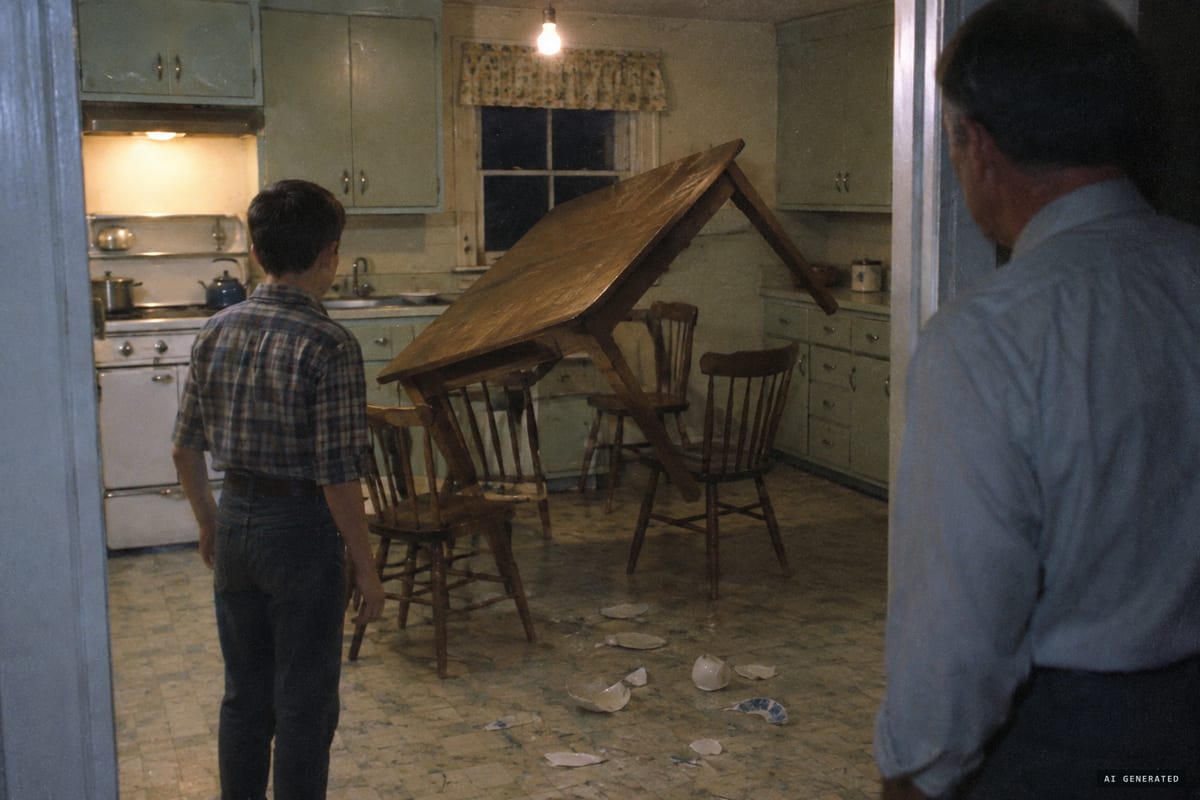
Recurrent spontaneous psychokinesis. The name was proposed in June 1958 by J. Gaither Pratt and William G. Roll of the Duke Parapsychology Laboratory, after they catalogued 67 disturbances at the Herrmann house in Seaford. They found no evidence of fraud. Roll later applied the idea to the Indianapolis poltergeist of 1962, rooting it in household tensions. In Bremen in 1965, Hans Bender judged the porcelain-shop events genuine RSPK, and kept to that view after Heiner Scholz confessed. In Jaboticabal, Volpe reportedly saw a poltergeist as repressed family frustration, close to the same reading.
Stories7