A Belgian-French zoologist, often called the founder of cryptozoology. His name runs through several of the archive's strangest animal cases. Mid-December 1968, he arrived at a farm with Sanderson to see the Minnesota Iceman. For three days they studied the body through ice and glass, taking photographs and making sketches. Earlier accounts drew his attention too. He took the Valhalla sea serpent seen off Brazil in 1905 for a marine mammal, pointing to its dorsal fin and head. When a museum curator rejected van Herwaarden's 1923 sedapa account from Sumatra, Heuvelmans disputed the dismissal.
Stories55
 Pro early
Cryptozoologist who proposed a walrus
 Pro early
Cryptozoologist whose 'merhorse' type fits maned reports
 Pro early
Cryptozoologist who included the Minhocão in On the Track of Unknown Animals
 Pro early
Cryptozoologist who wrote on the Queensland tiger
 Pro early
Cryptozoologist who called the tale a possible hoax
 Pro early
Cryptozoologist who based his 'yellow-belly' type mainly on the Nestor
Cryptozoologist who placed the case among his many-finned sea serpents
 Pro early
Cryptozoologist who listed the case in In the Wake of the Sea-Serpents
 Pro early
Cryptozoologist who reviewed the correspondence and accused Lovell of lying
 Pro early
Cryptozoologist who quoted Cringle's ridicule remark in In the Wake of the Sea-Serpents
 Pro early
Cryptozoologist said to have classed the case as a many-finned sea serpent
 Pro early
Catalogued the case in In the Wake of the Sea-Serpents
 Pro early
Cryptozoologist who quoted the Williams account in On the Track of Unknown Animals
Sea-serpent researcher who took the animal for a marine mammal
 Pro early
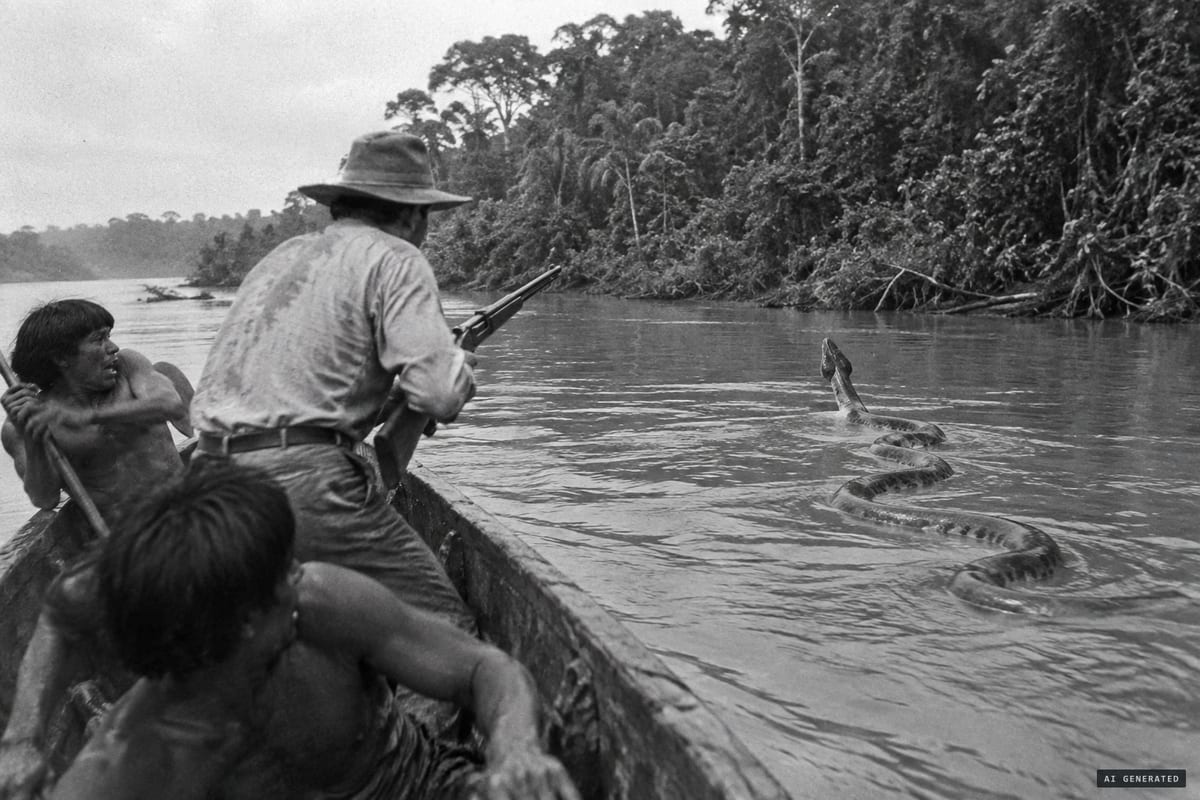
Cryptozoologist who proposed a prehistoric crocodile, then an aquatic sabre-toothed cat
 Pro early
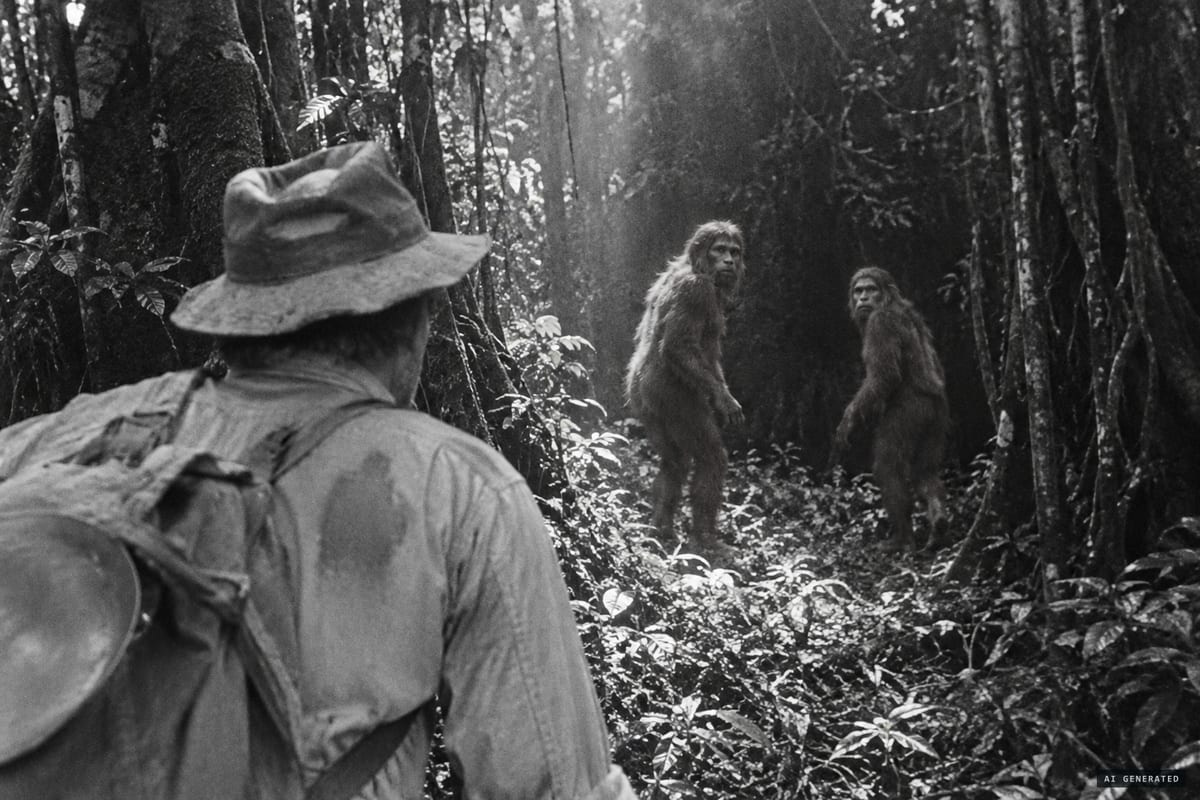
Belgian cryptozoologist who defended Fawcett's honesty in On the Track of Unknown Animals
 Pro early
Cryptozoologist whose writing likely carried the account
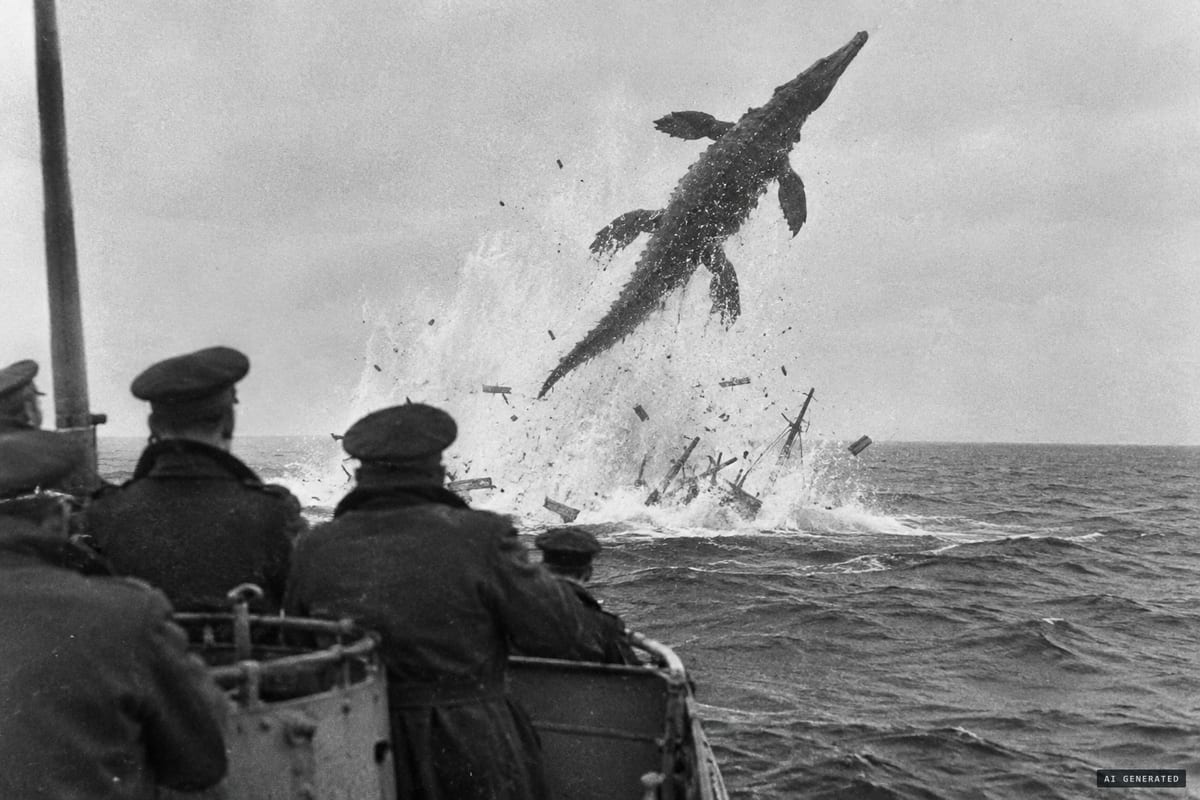
Cryptozoologist who accepted the sighting as a marine saurian but rejected Forstner's explanation
 Pro early
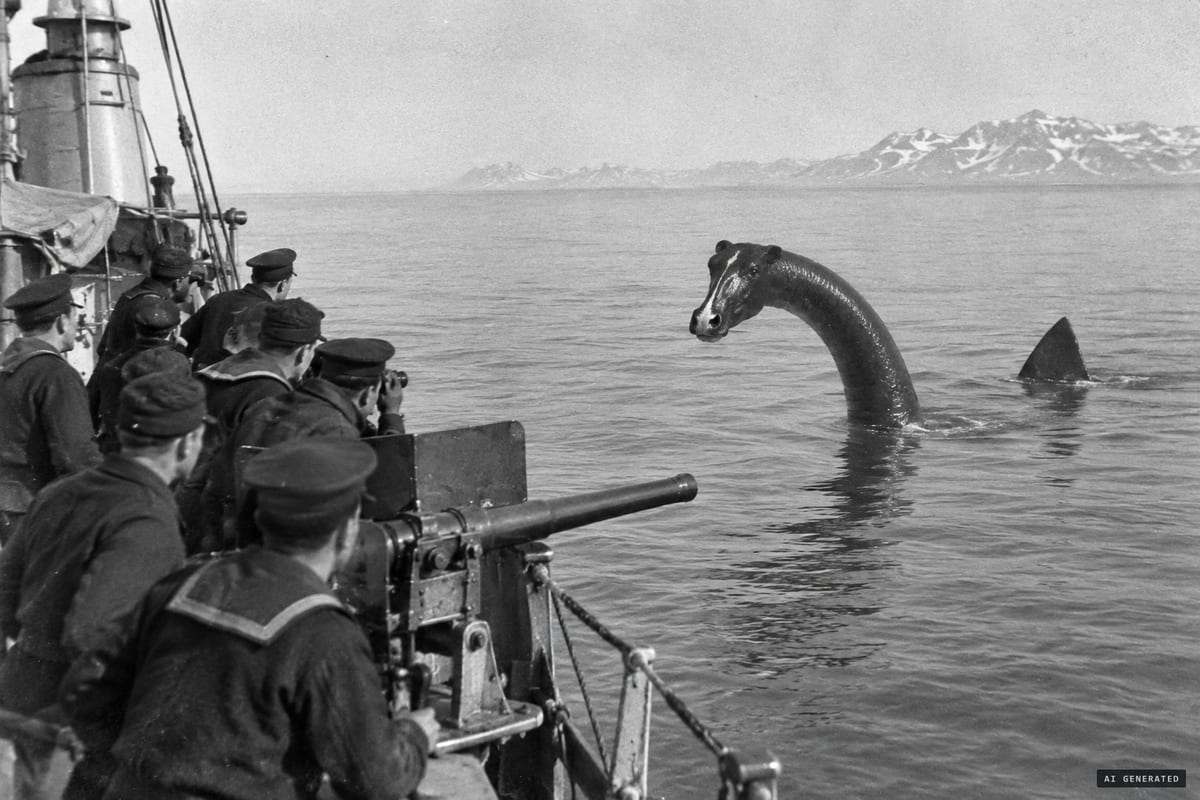
Cryptozoologist whose sea serpent classification includes the cow-headed 'merhorse' type
 Pro early
Cryptozoologist whose book carried the account to English readers
 Pro early
Cryptozoologist; suggested the agogwe could be a surviving gracile australopithecine
 Pro early
Cryptozoologist; devoted the chapter 'Mngwa, the Strange One' to the case and proposed a giant African golden cat
Cryptozoologist whose translation carried the account into English
 Pro early
Cryptozoologist who received Bartels's manuscript
 Pro early
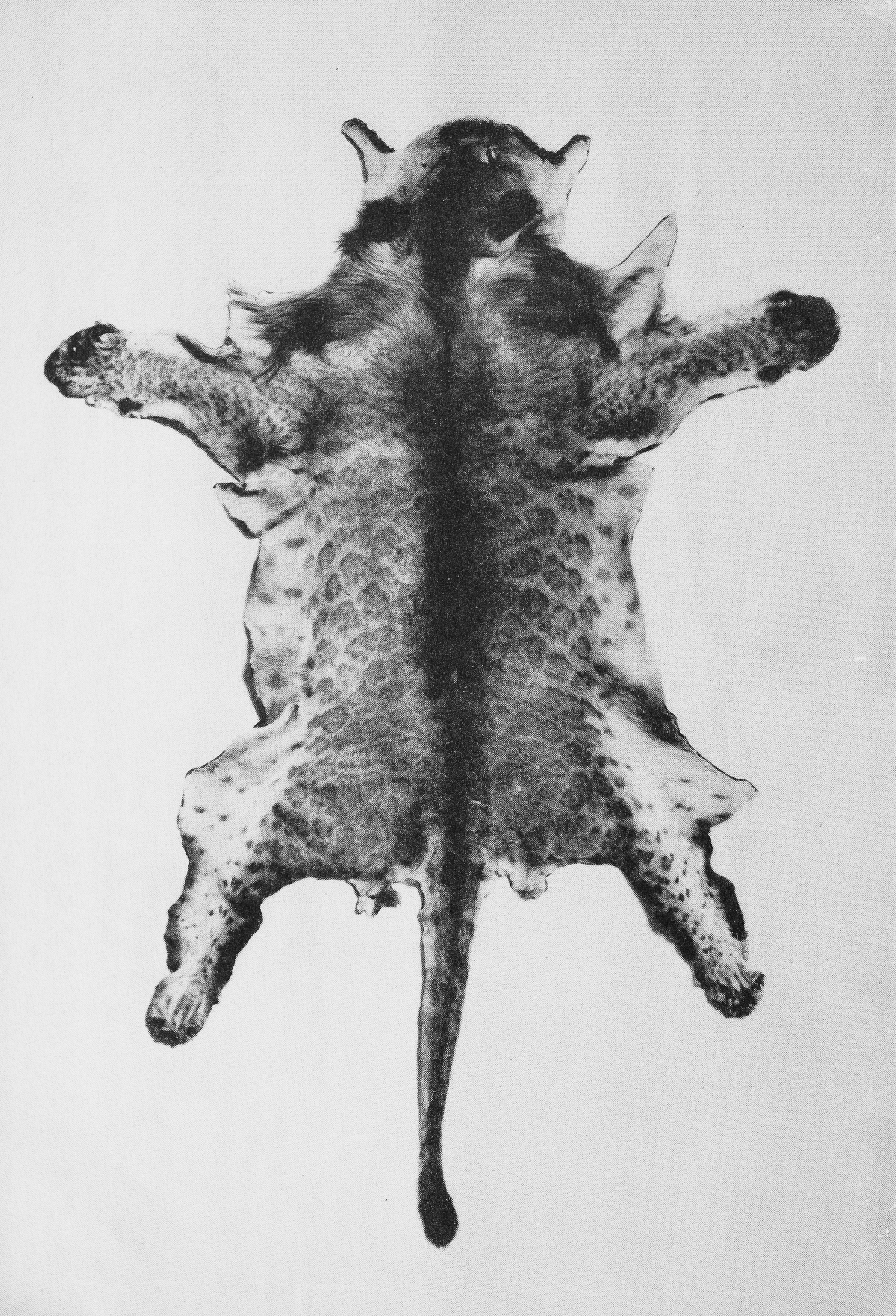
Cryptozoologist who proposed the name Leo maculatus
 Pro early
Cryptozoologist linked to the olitiau in On the Track of Unknown Animals
 Pro early
Received Sanderson's 1958 letter; covered the case in Les derniers dragons d'Afrique (1978)
 Pro early
Cryptozoologist who identified the photo as a photomontage in 1955
 Pro early
Cryptozoologist whose footnote misdated the case to 1935 and read the ship as a bay
 Pro early
Cryptozoologist who covered the case in Le Grand serpent de mer
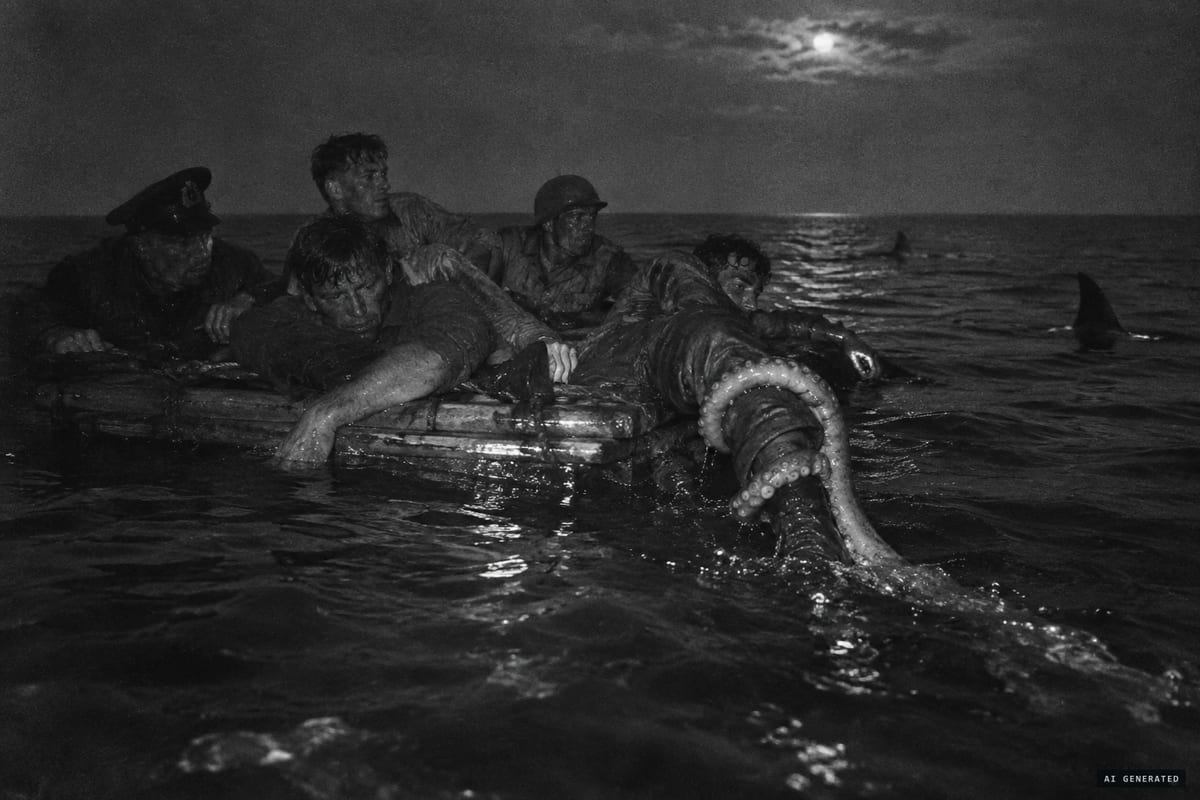 Pro early
Cryptozoologist who adopted Cox's later squid version
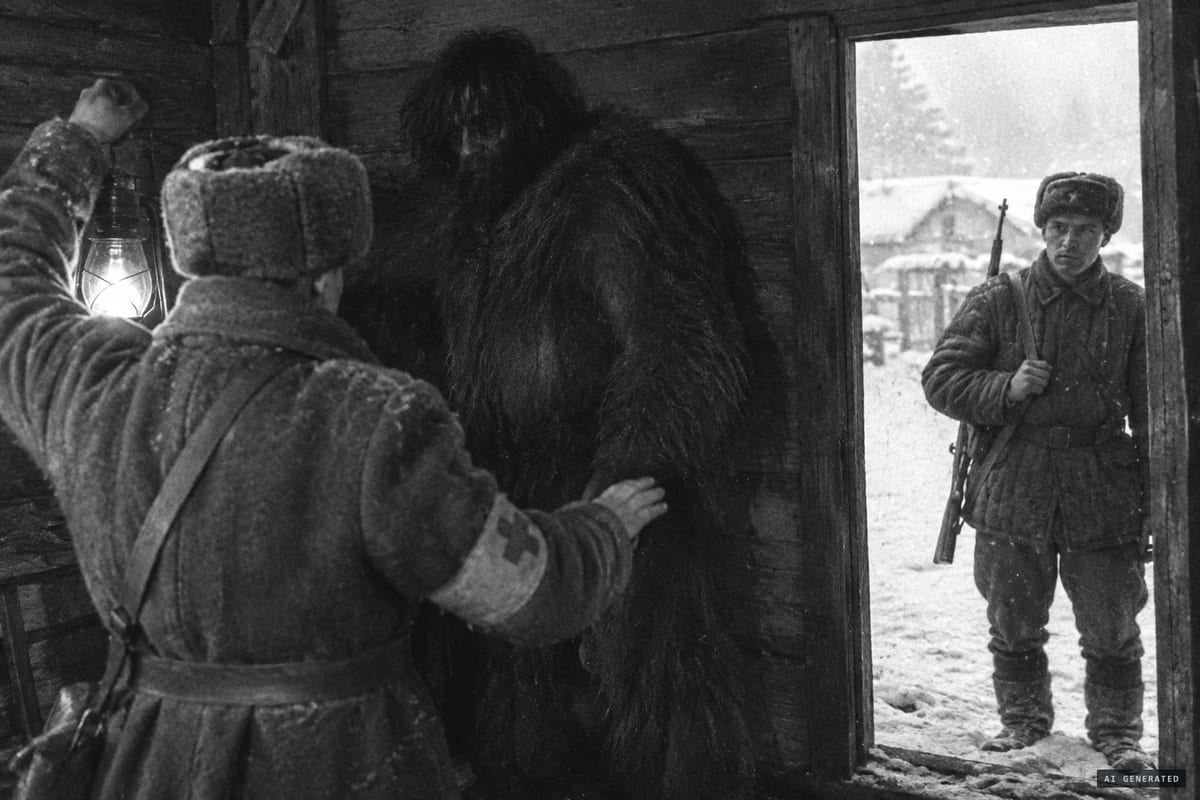
Co-author with Porshnev of L'Homme de Néanderthal est toujours vivant (1974)
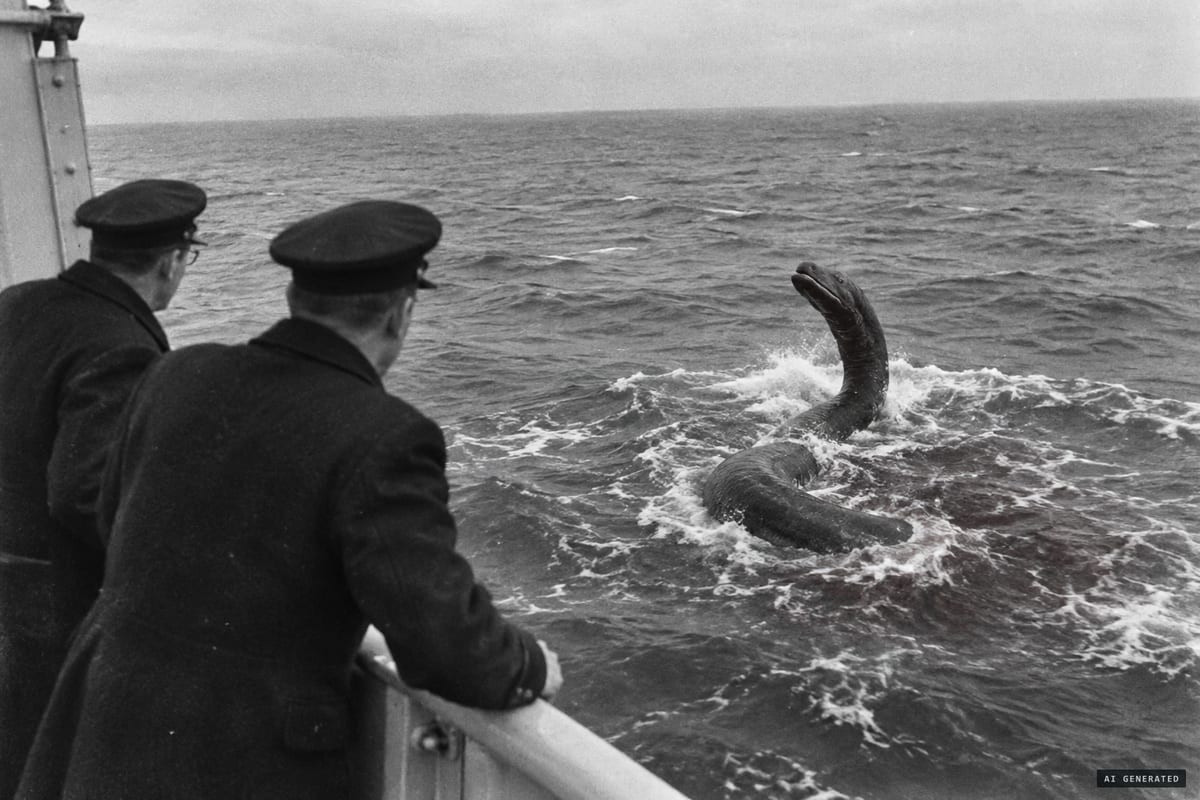
Cryptozoologist whose super-eel category the case is linked to
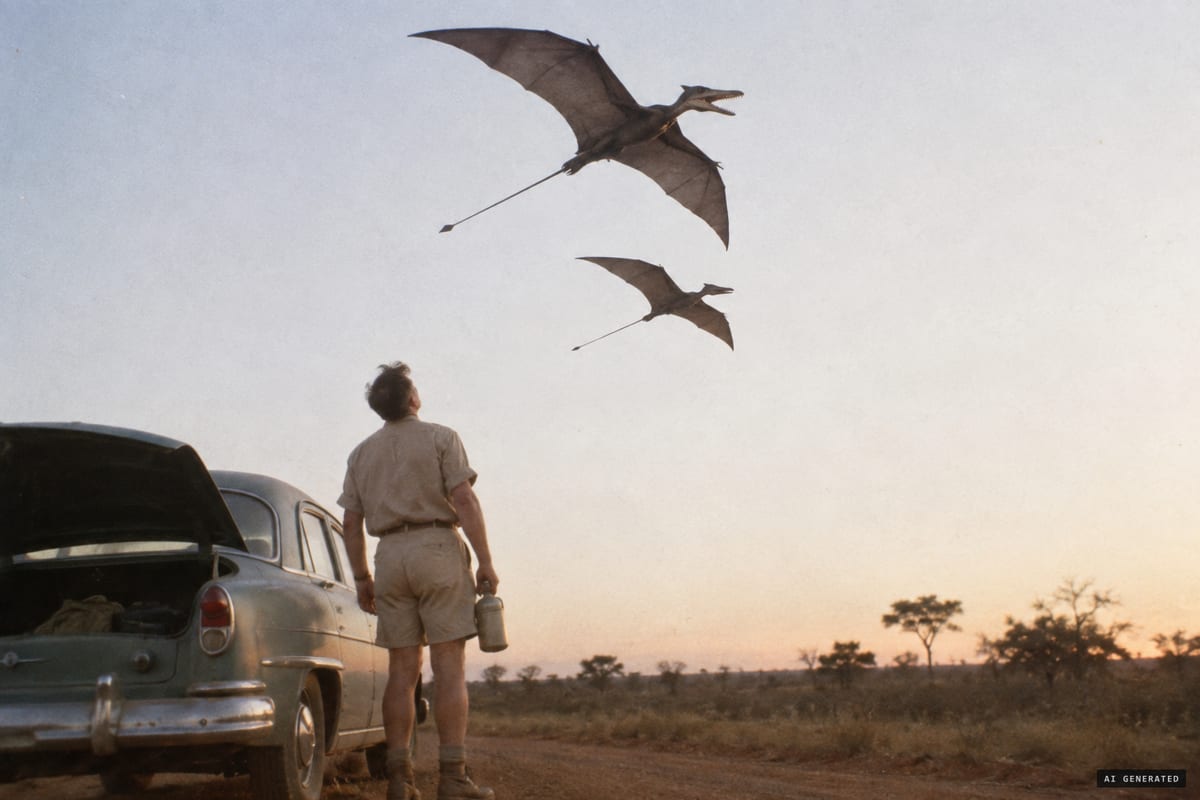
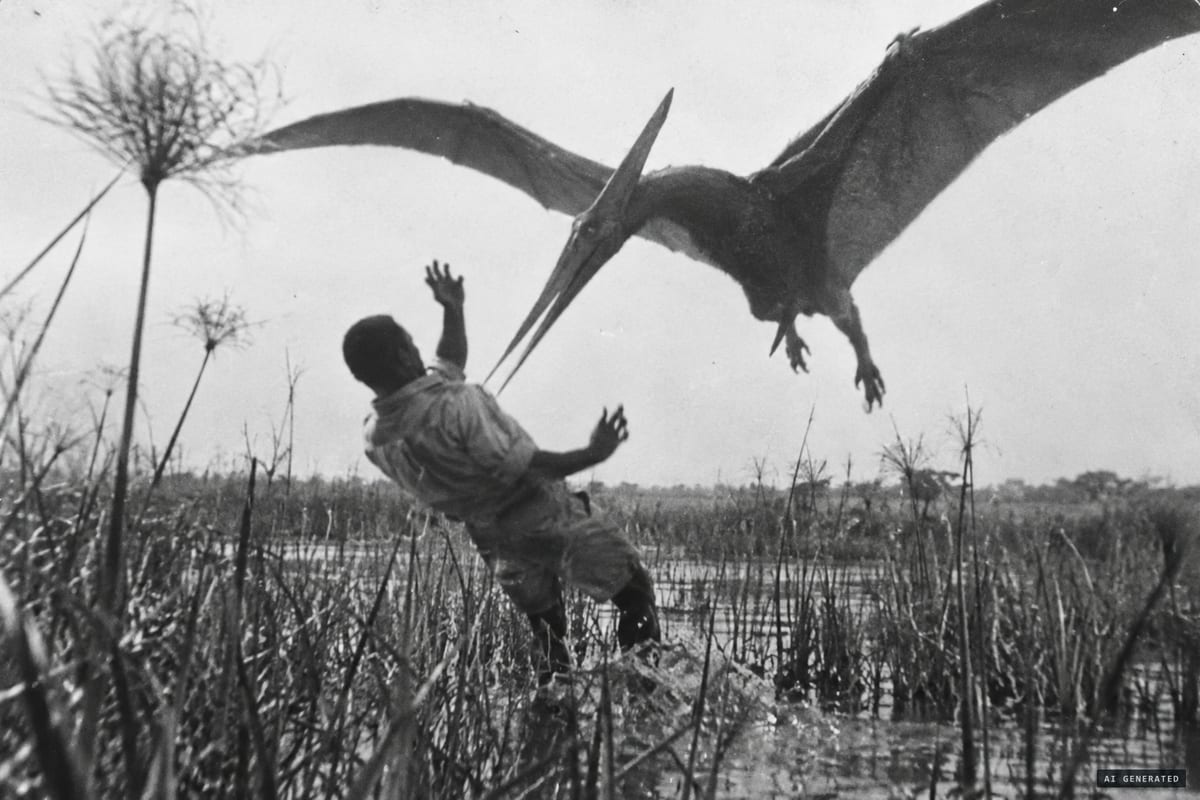
 Pro early
Cryptozoologist; analysed the case in Les Derniers Dragons d'Afrique (1978)
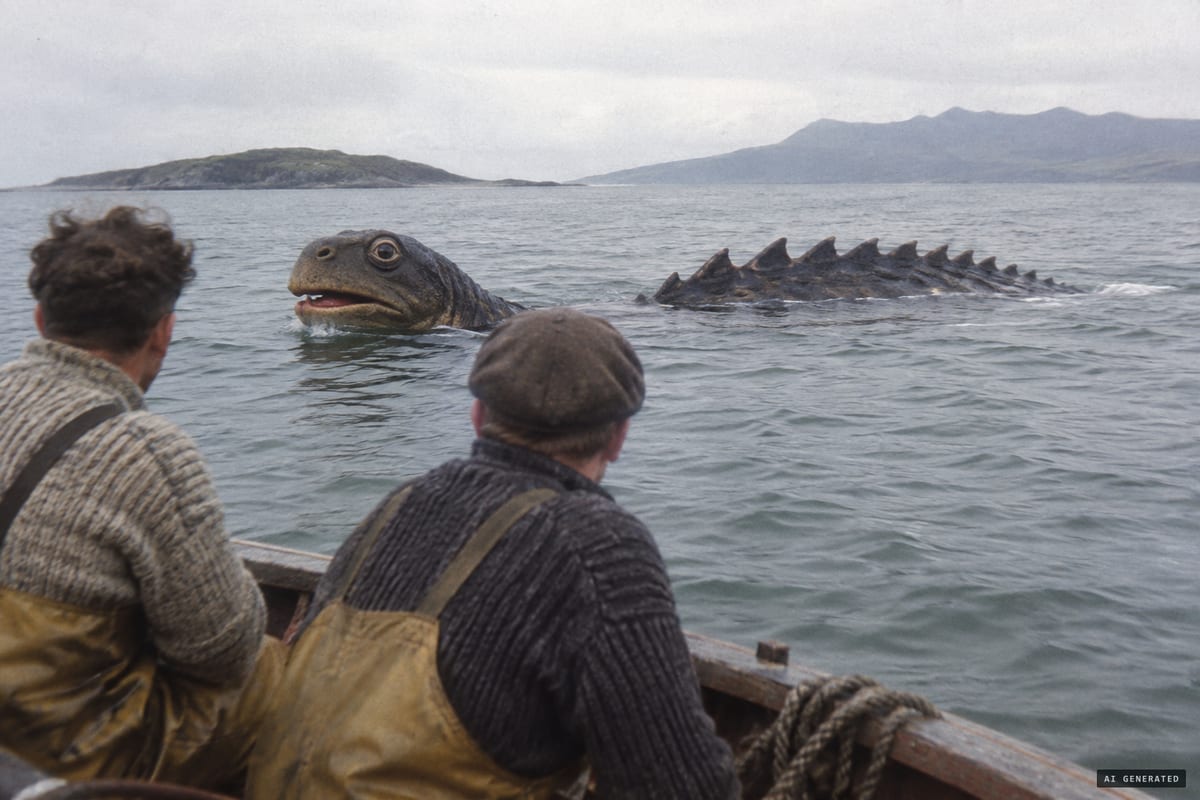 Pro early
Cryptozoologist who reproduced the witness sketches in In the Wake of the Sea-Serpents
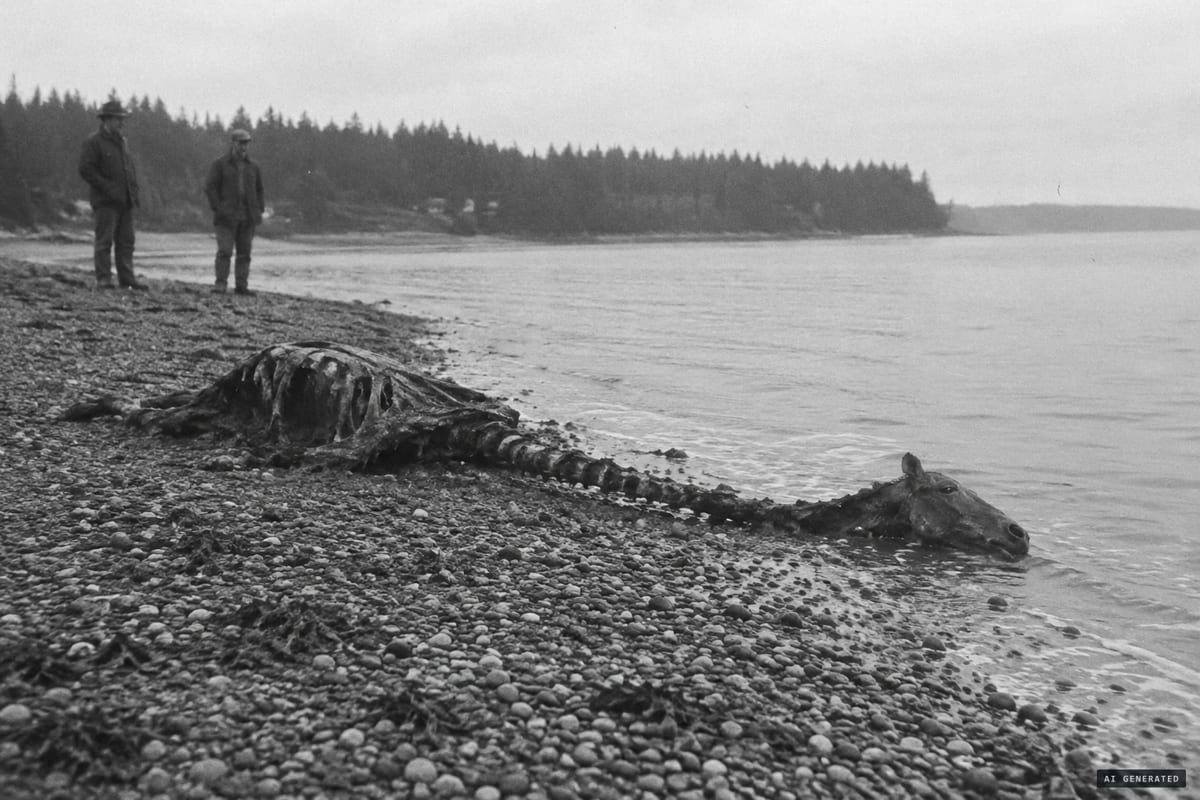
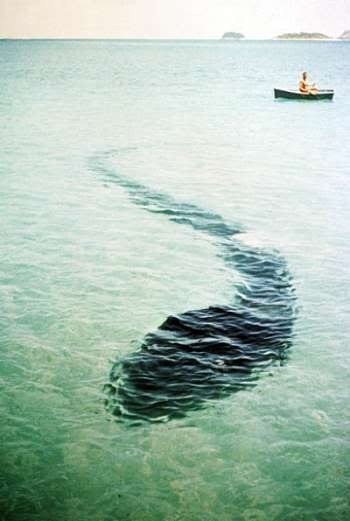
Cryptozoologist who gave the fullest account in 1968 and favoured sand-weighted plastic sheeting
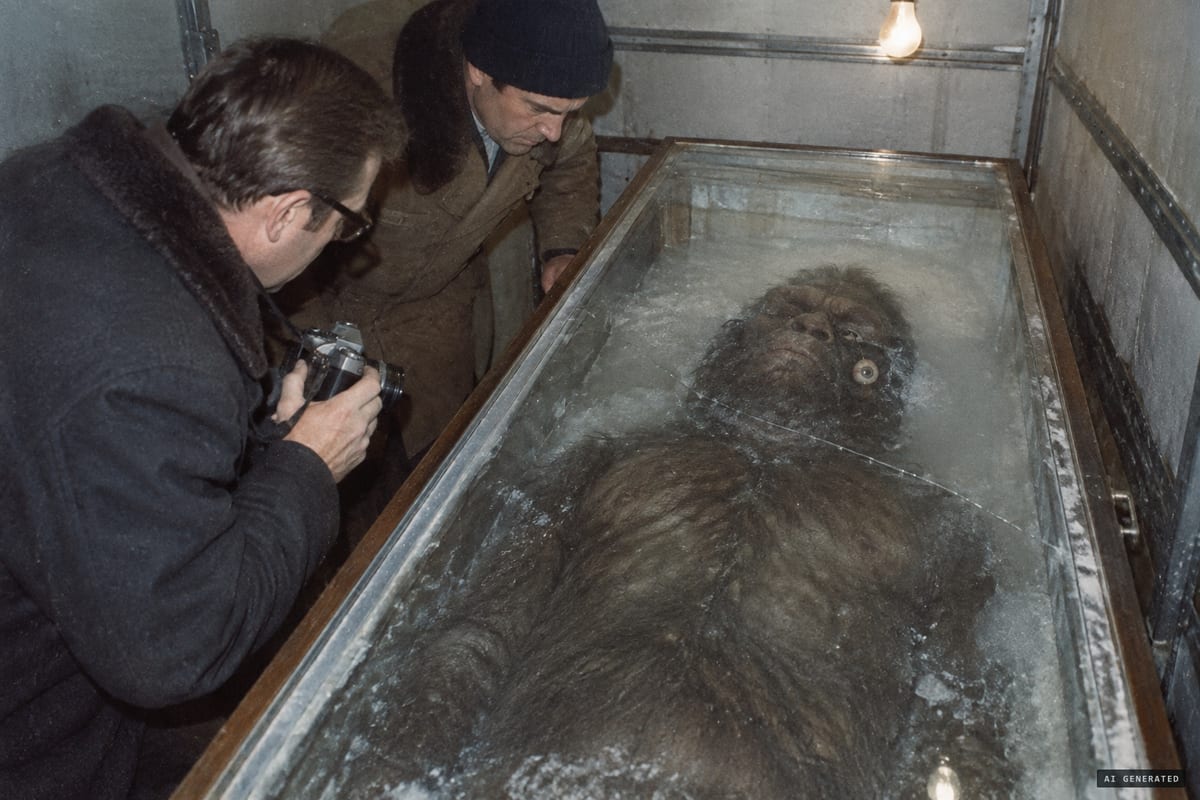
Belgian-French zoologist who examined it and described it as Homo pongoides
 Pro early
Cryptozoologist who considered it a whale