A sceptic. Across decades of famous cases, Philip J. Klass offered the conventional answer. In his 1974 book UFOs Explained, he called the Pascagoula abduction a hoax. In June 1976 he made public a failed polygraph from the Travis Walton case, one the National Enquirer had paid for, and pointed to a possible motive. For the 1976 Tehran incident, he argued the main light was Jupiter. On June 24, 1987, he debated Stanton T. Friedman on ABC Nightline over the MJ-12 documents. His claim was that Truman's signature there was a pasted photocopy.
Stories32
Skeptic who documented inconsistencies in the accounts
Sceptic credited with proposing the Moon or its reflection as the cause
Sceptic, author of UFOs Explained (1974)
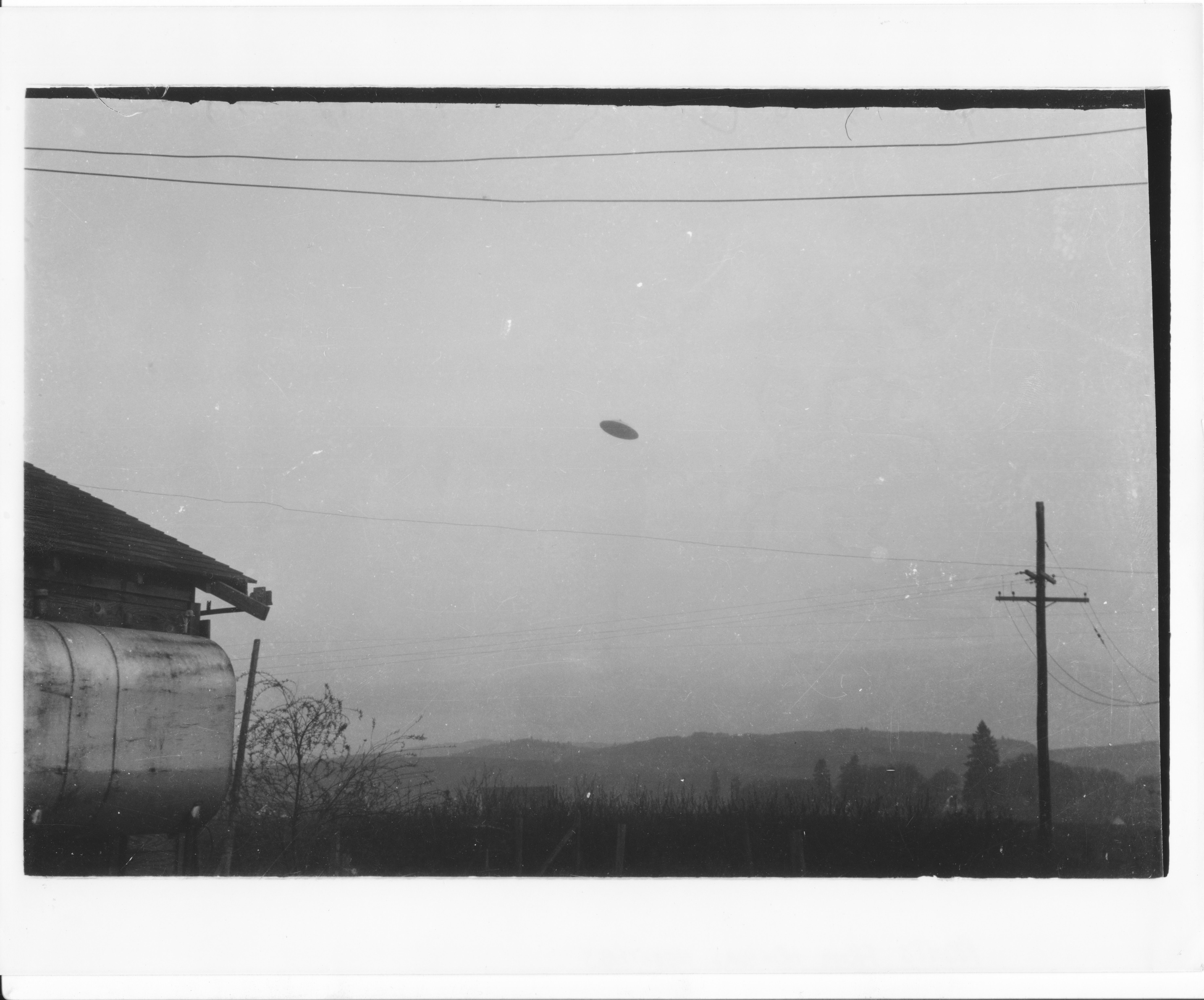
Sceptic who published the photo in UFOs Identified (1968) as evidence for his plasma theory
Sceptic who proposed a conventional explanation

Sceptic who received the Titan-stage suggestion from NORAD
Skeptic who called parts of the story pure fantasy
Skeptic; argued the ring was a feeder or trough mark and suspected a hoax

Sceptic who challenged the Pascagoula account
Sceptic who called the case a hoax
Skeptic who proposed the meteor fireball explanation
Skeptic who revealed the failed 1975 polygraph and argued a hoax motive
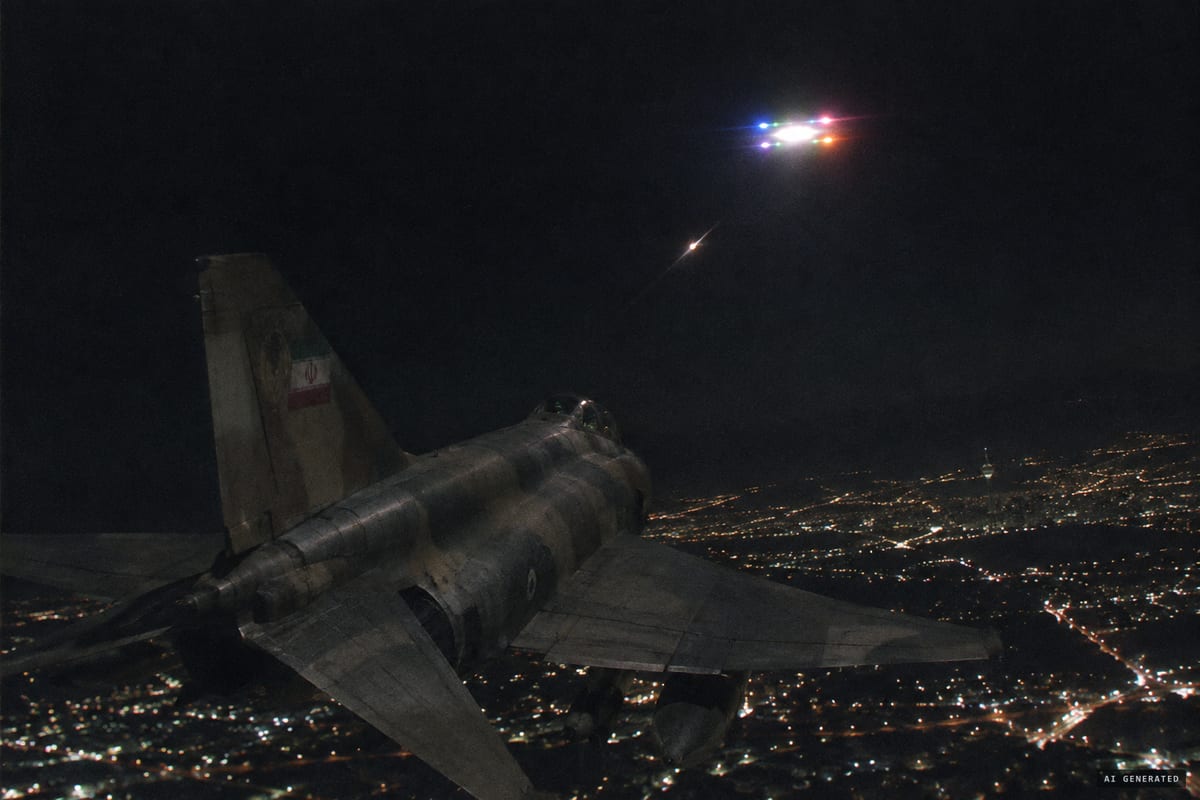
Skeptic and author of UFOs: The Public Deceived
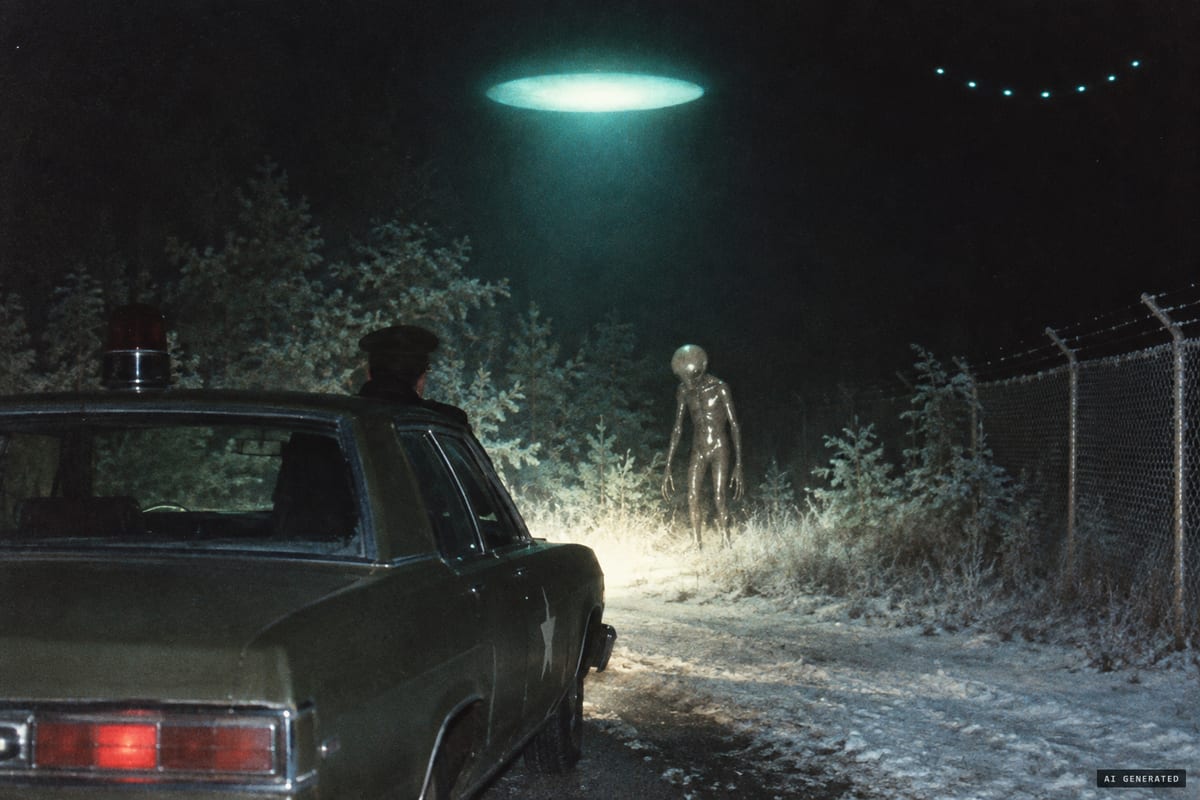
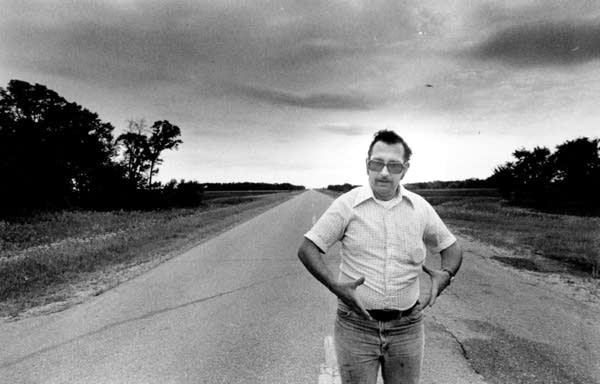
Skeptic who argued the case was a hoax
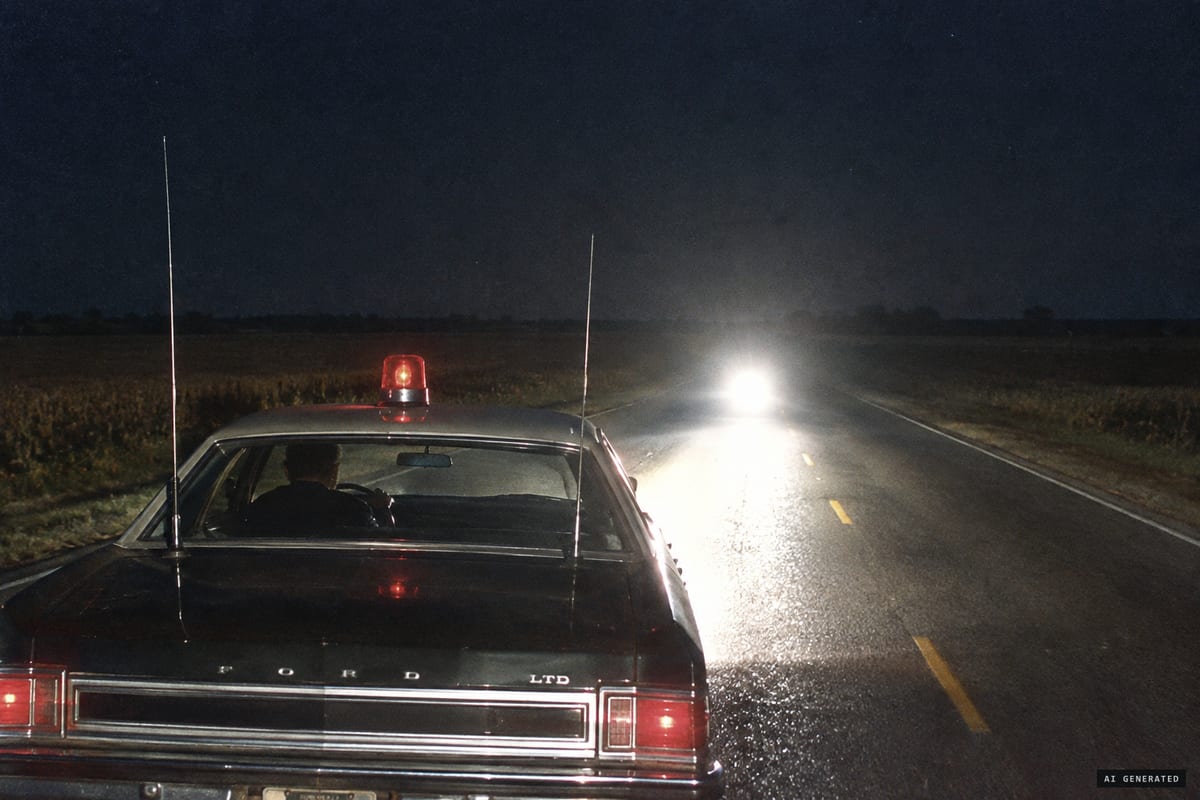 Pro early
Sceptic who argued the case was a hoax
CSICOP UFO subcommittee member
Sceptic, critiqued the case in UFO-Abductions: A Dangerous Game
Skeptic who argued the Truman signature was a pasted photocopy
Skeptic who proposed temporal lobe epilepsy
Skeptic who proposed Jupiter, Mars and ice crystals
Skeptic who covered the case in Skeptics UFO Newsletter
Sceptic who described the tape in his Skeptics UFO Newsletter
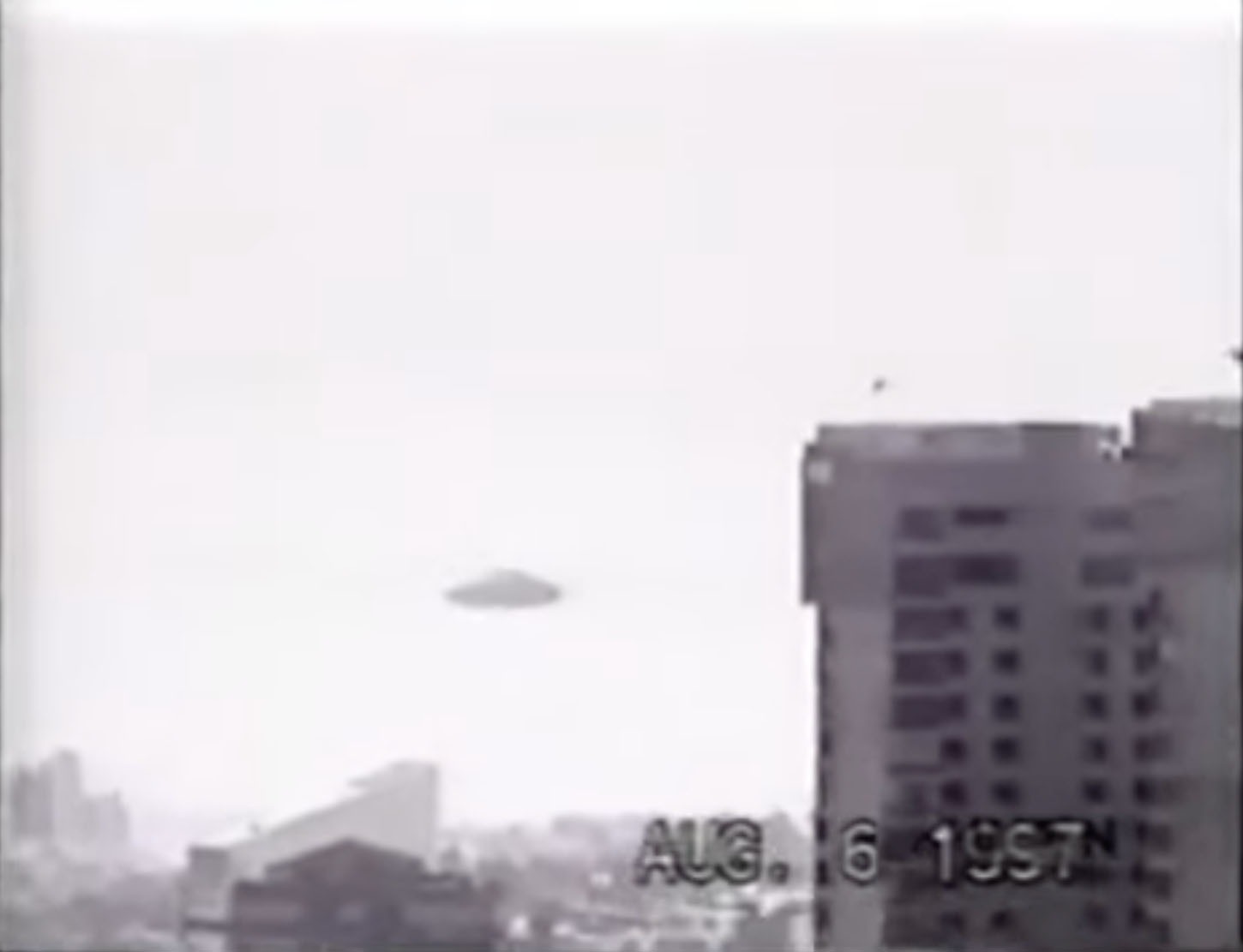
Skeptic who covered the case in Skeptics UFO Newsletter #54