Harvard astronomer Donald H. Menzel had an ordinary explanation ready for many of the field's best-known cases. After Kenneth Arnold's 1947 sighting, he proposed blowing snow, then wave clouds, then water spots on the window. For the Lubbock Lights in 1951 he blamed atmospheric refraction. Later he accused Hart of faking the photos, without evidence. At Levelland in 1957 he wrote that conditions were ideal for ball lightning. Witnesses described objects 100 to 200 feet long. Father Gill's sightings at Boianai in 1959 got a different answer. Menzel said it was Venus, seen by a short-sighted Gill without his glasses.
Stories22
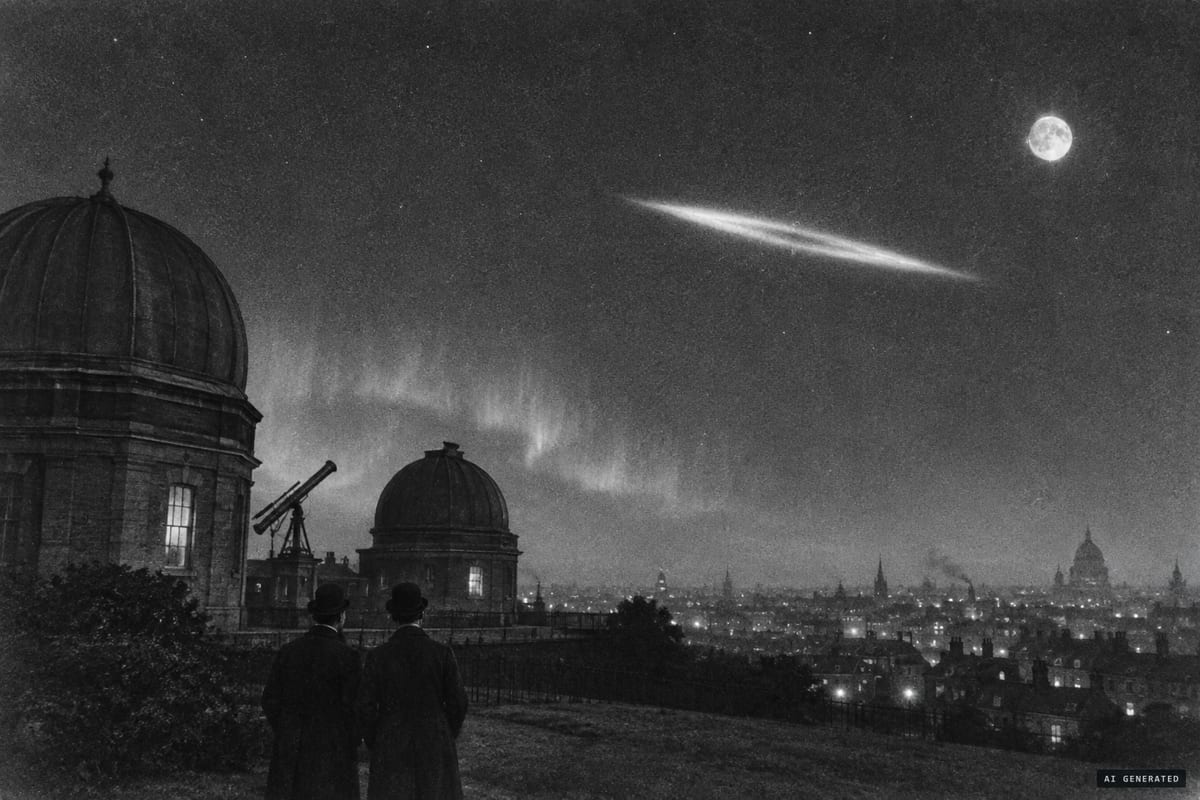
Astronomer who called it 'the great saucer of 1882' in Flying Saucers (1953)
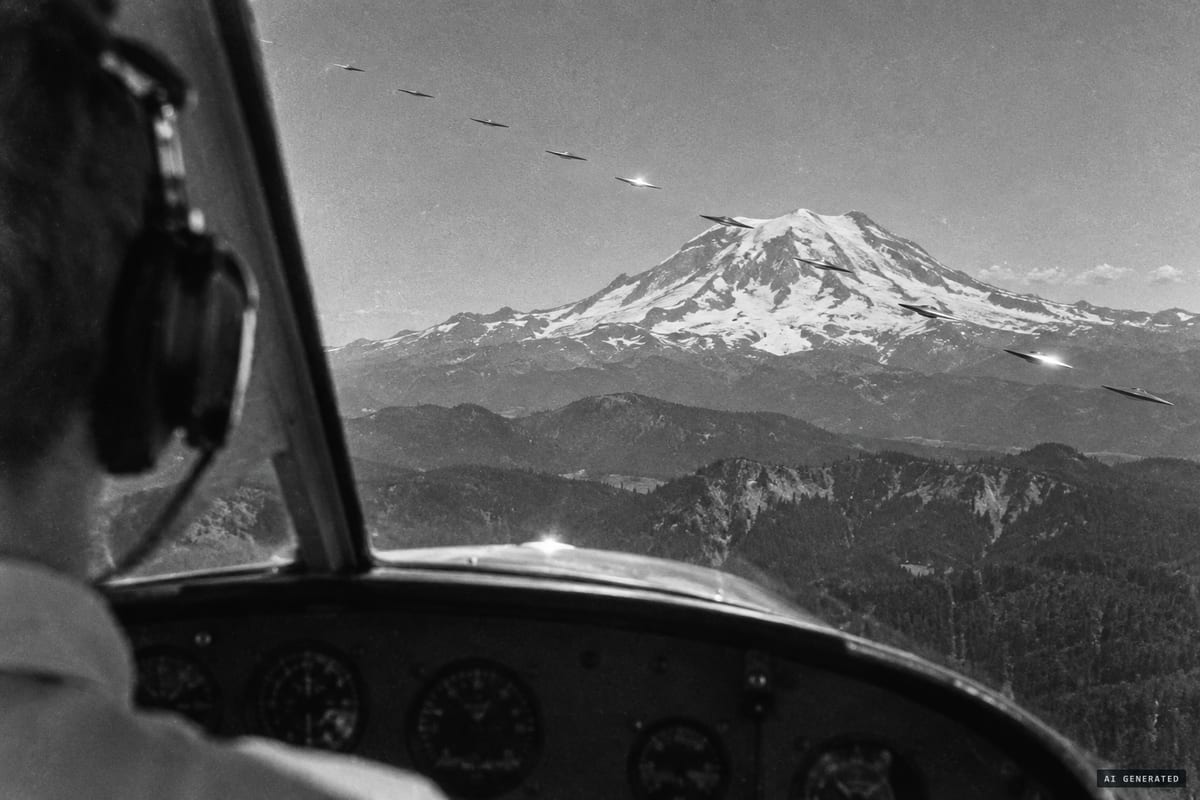
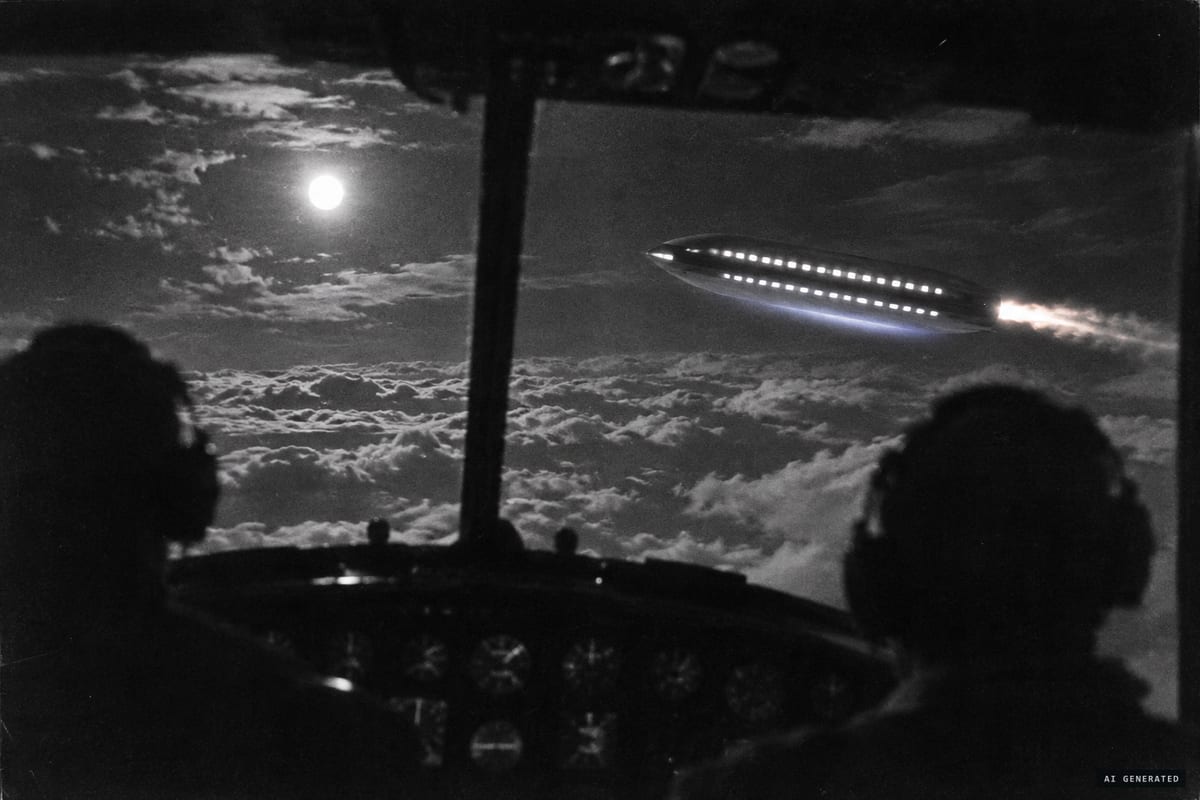
Astronomer who argued the pilots misinterpreted a bright meteor
Harvard astrophysicist, witness in May 1949
Astronomer who proposed an optical image of the balloon as the explanation
Harvard astronomer who proposed a temperature inversion reflection
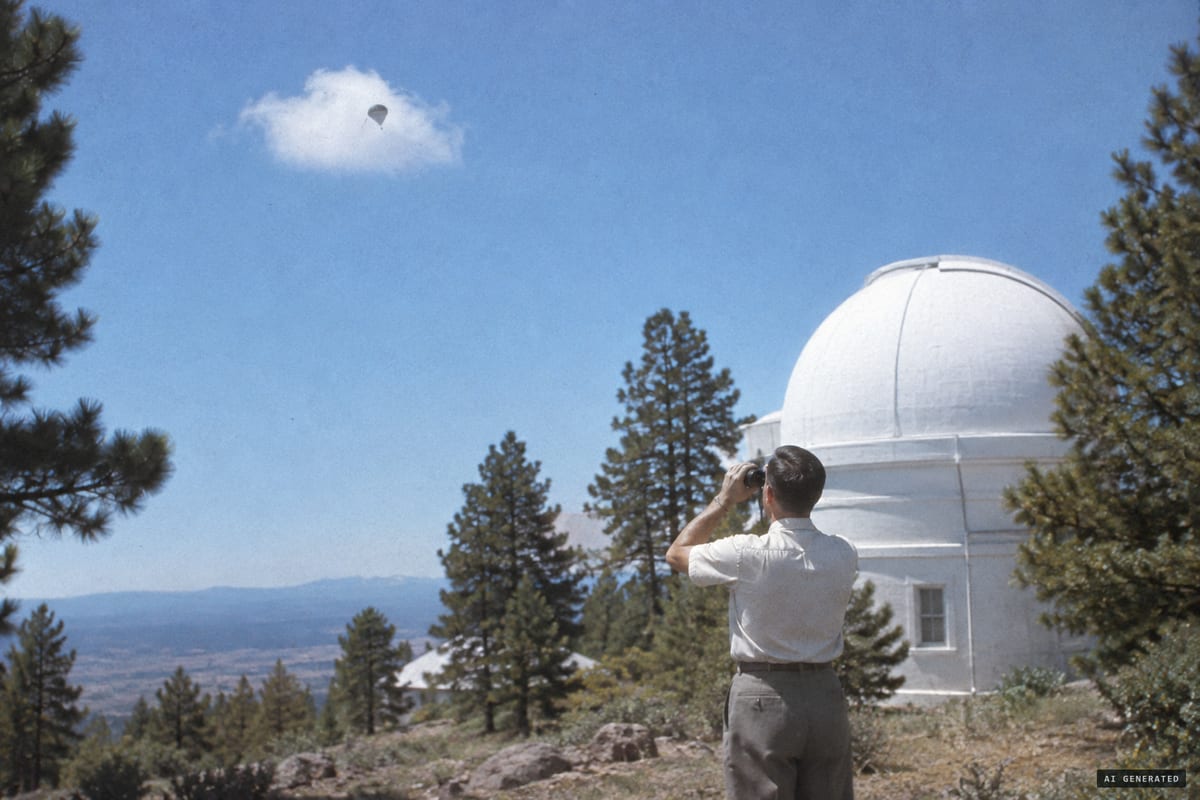
Skeptical astronomer who thanked Hess in The World of Flying Saucers (1963)
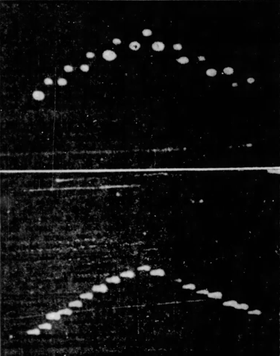
Harvard astronomer who proposed atmospheric refraction and accused Hart of a hoax
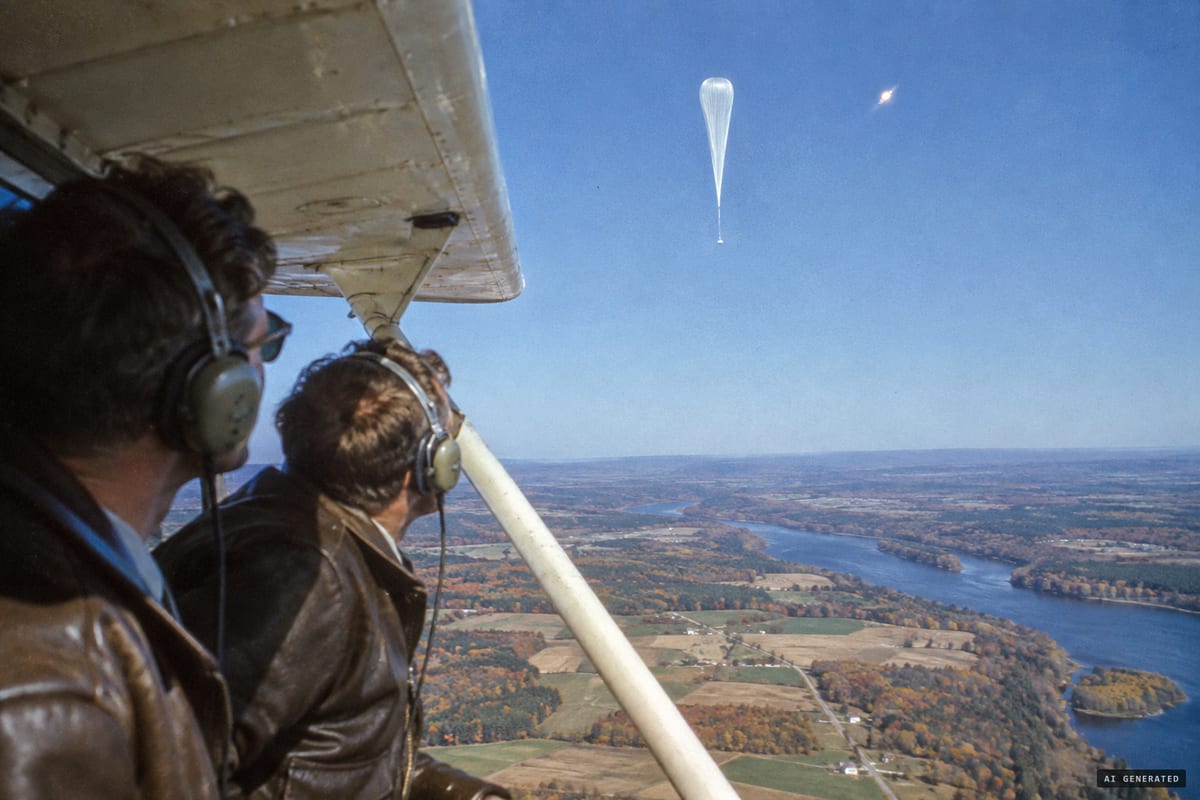
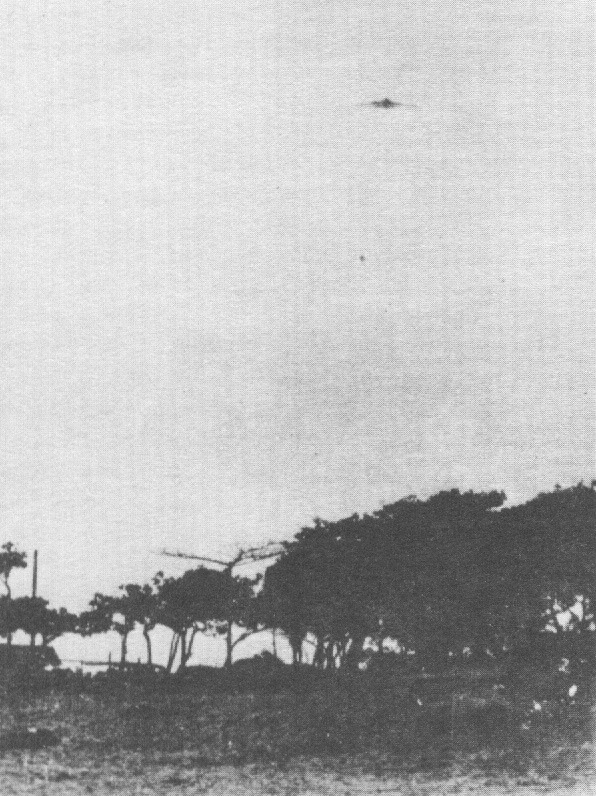
Astronomer and sceptic who proposed haze, reflection and inversion explanations
 Pro early
Proposed the Sirius and radar refraction explanation
Sceptic who proposed a phantom radar echo
 Pro early
Astronomer who called the photograph a fake in 1963
Astronomer whose explanations Hull endorsed in his 1953 article
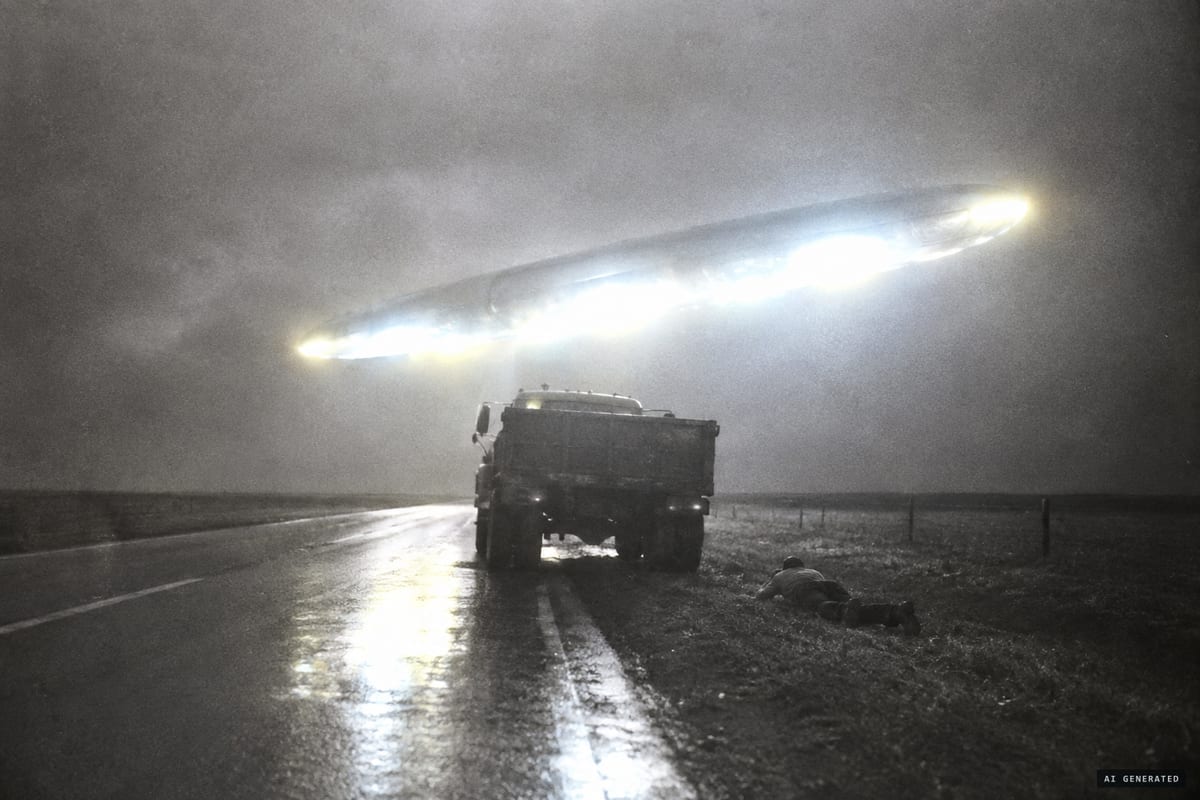
Harvard astronomer who argued for ball lightning
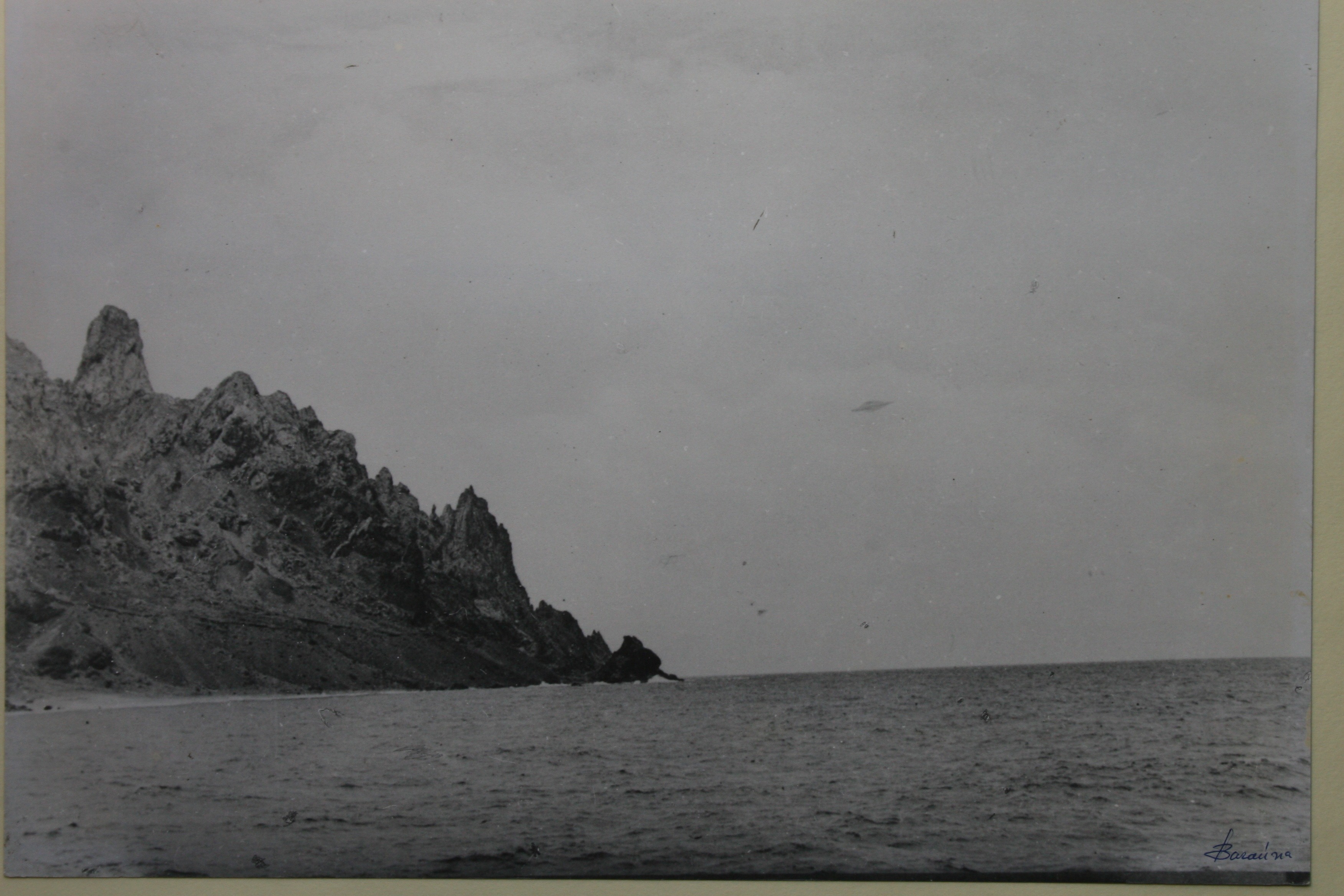
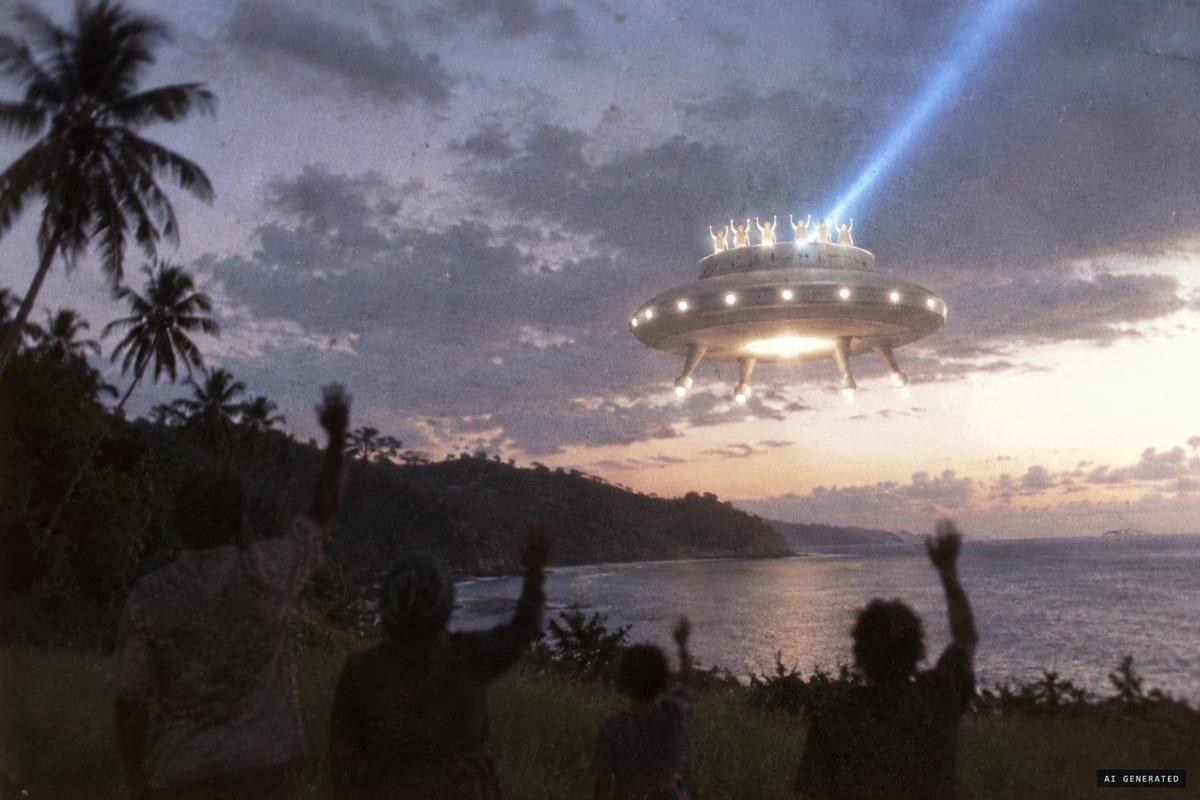
Harvard astronomer who proposed Venus
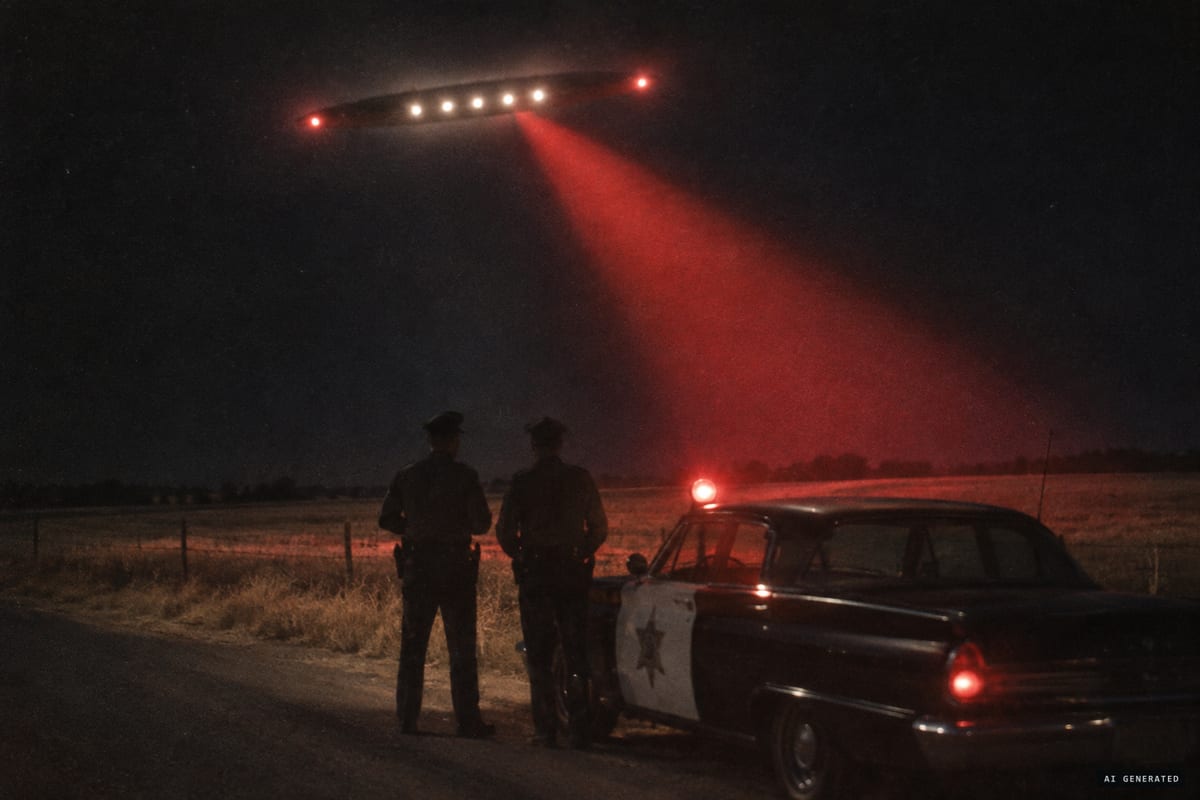
Astronomer who backed the temperature inversion explanation
 Pro early
Astronomer who wrote to Quintanilla about the case